
Santa Ana Neighborhoods:A Plumbing Page Network Business Owners Can See in Action
This sample shows how a local plumbing company can turn the neighborhoods it serves and the services it offers into a connected set of useful, search-focused pages. The goal is not to stuff a city name into generic copy. The goal is to give each service and location a clear place in the website structure so customers can reach the information that matches what they are searching for.
Build a Network for Your Business
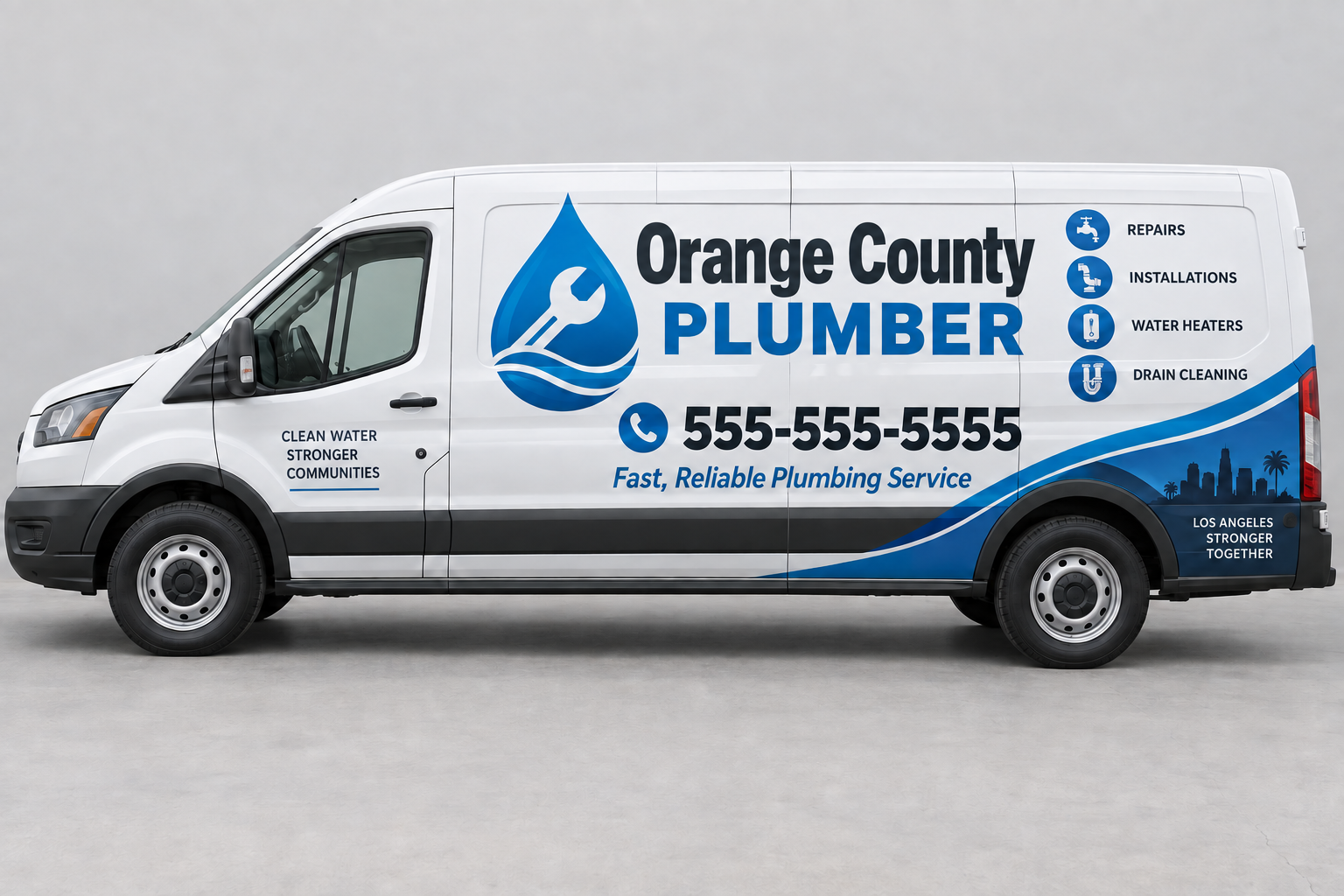
What This Santa Ana Example Is Designed to Show
A business owner may serve one city but still want customers in many different parts of that city to understand that the company works in their area. A single broad “plumbing” page can explain the company, but it cannot always answer every combination of location and service with the same clarity. This model creates an organized path from the main Neighborhoods hub to Santa Ana, then to a plumbing service-area page, and eventually to focused neighborhood-and-service pages when those pages are appropriate.
For example, a homeowner looking for leak detection has a different concern from someone dealing with a clogged drain or a failed toilet. The page network gives each topic room to be explained properly while keeping the entire collection connected through internal links. It also gives the business a framework that can grow over time without rebuilding the whole website every time a new service or service area is added.
Plumbing Services This Network Can Target
Below is the service set used in this Santa Ana sample. Each service can stand on its own page when enough useful information is available, or it can become part of a neighborhood-specific page that helps a customer understand the problem, possible next steps, and how to contact the business.
Emergency Plumbing
Urgent plumbing problems need a direct path. A focused page can explain common emergencies, immediate safety steps, the service area, and how a customer should request help.
Leak Detection and Repair
Leak-focused content can cover visible and hidden warning signs, water damage concerns, fixture leaks, pipe leaks, and the value of diagnosing the source before repairs begin.
Pipes and Water Line Service
This topic can address aging pipes, corrosion, low pressure, damaged supply lines, recurring leaks, repair options, and situations where replacement may be discussed.
Drain Services
A drain page can speak to slow drains, backups, recurring clogs, kitchen and bathroom drainage issues, inspection, cleaning, and when a deeper line problem may need attention.
Toilet Repair Service
Customers may search for running toilets, weak flushing, clogs, leaks around the base, refill problems, or replacement advice. A dedicated page lets those questions be answered clearly.
Faucets, Sinks and Fixture Repair
Fixture content can cover dripping faucets, loose handles, leaking supply connections, sink problems, worn parts, upgrades, and replacement of commonly used plumbing fixtures.
Shower and Bathtub Plumbing
This service area can include leaking valves, poor water flow, tub and shower drains, trim and fixture issues, supply problems, and repair or replacement planning.
Kitchen Plumbing
Kitchen-focused pages can organize sink leaks, faucet repair, garbage disposal connections, dishwasher supply lines, drain problems, and other plumbing needs around one customer intent.
Bathroom Plumbing
Bathroom content can connect toilets, sinks, faucets, showers, tubs, drains, supply lines, and leak concerns in a way that is easy for homeowners to navigate and understand.
Using Real Santa Ana Neighborhoods as the Location Layer
Santa Ana has an extensive neighborhood-association network. For a business that genuinely serves these areas, neighborhood names can become the location layer of the SEO plan. Examples include Floral Park, West Floral Park, Historic French Park, Washington Square, Willard, Park Santiago, Heninger Park, Madison Park, Riverview, and Downtown.
The important part is not simply placing those names on a page. Each future neighborhood page should contain original information written around the service topic, customer questions, the area being targeted, the business’s real contact information, and a useful next step. That is how the network becomes more than a collection of duplicated city pages.
Why This Structure Makes Sense for a Local Business
Business owners often have more services and more service areas than one page can explain well. A connected page network creates a logical way to expand coverage while keeping the website easy to navigate.
From an SEO standpoint, the structure helps separate broad topics from narrow ones. The Santa Ana city page can address local visibility at the city level. This plumbing page can organize the main plumbing service categories. Future child pages can then focus on a specific service in a specific neighborhood, such as leak detection in Floral Park or drain service in Washington Square, when the business wants that level of coverage.
From a customer standpoint, the same structure makes the site less confusing. A visitor does not need to scan one oversized page filled with unrelated services and locations. Instead, internal links guide the visitor from the broad city or service topic to the page that matches the problem they are trying to solve.
The network can also be built as a hosted landing-page system when a company does not want to redesign its main website. The business can keep its current website, branding, phone number, and contact process while using a separate connected page network to present selected services and locations. Search engines decide how and when pages are crawled, indexed, and ranked, so no legitimate SEO service should promise a specific ranking position or indexing timetable.
What Goes on the Finished Business Version
This demonstration uses generic business language because it is showing the framework. A finished client version should replace the sample wording with the company’s real business information and original service content.
The page can include the company name, logo, phone number, website, service hours, service-area details, calls to action, trust information, photographs, customer questions, and service-specific explanations. The same core brand information can remain consistent across the network while the main copy on each page stays unique to that service and location.
That balance matters. Consistent branding tells visitors who they are dealing with. Unique page content tells visitors why the particular page is relevant to their search. Together, those two elements make the page network useful as both a marketing asset and a demonstration of how local SEO architecture can be organized.
Want a Service-Area Page Network Built Around Your Business?
Choose the services you want to promote and the cities or neighborhoods you genuinely serve. We can organize them into a clear SEO silo, create original pages, connect the internal links, and give customers an easier path from local search to your business.